
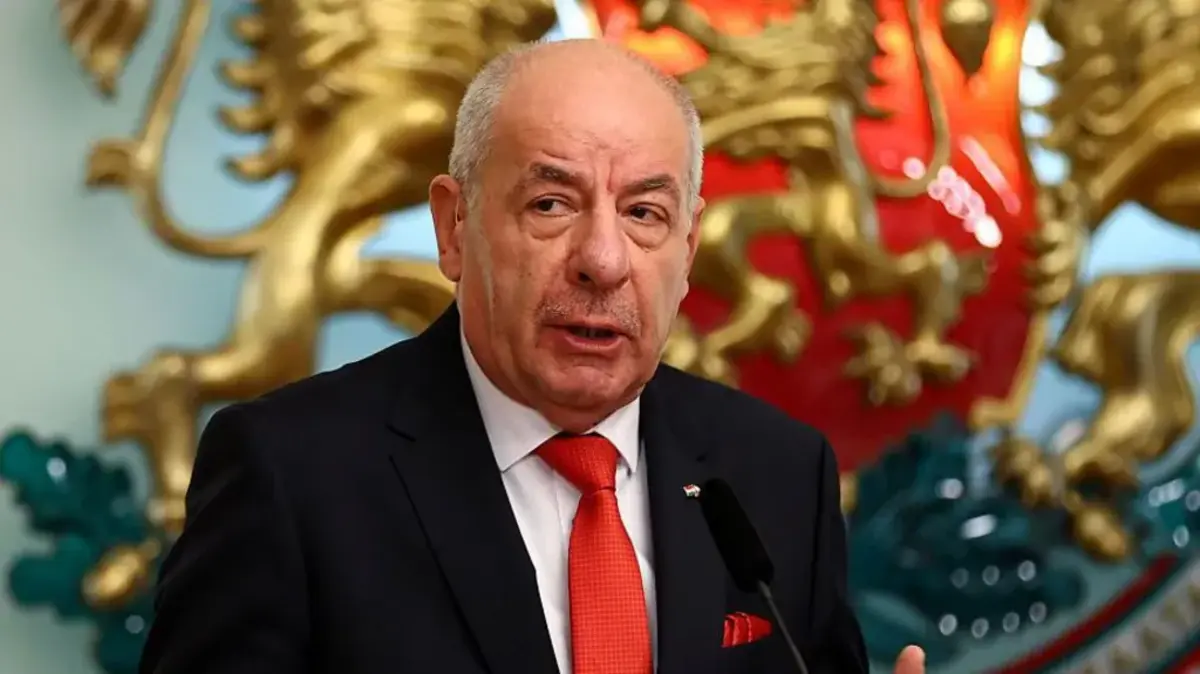
Hungarian President, Tamás Sulyok, has agreed to resign after signing a constitutional amendment that will end his presidency at midnight on Sunday, bringing to a close a political standoff that threatened to trigger a constitutional crisis.
The amendment, approved by parliament earlier this week, was introduced by Prime Minister Péter Magyar’s governing Tisza party, which has sought to remove Sulyok from office since taking power following its landslide election victory in April.
Sulyok had five days to either approve the amendment or refuse to sign it, a move that could have resulted in impeachment proceedings and prolonged political uncertainty.
Confirming his decision on Saturday evening, Hungary’s President signed the amendment but criticised the government’s actions, accusing it of undermining Hungary’s constitutional order.
In a statement, he said the amendment represented a “breaking point in Hungarian constitutional democracy” and argued that the “core values of a free society… have been trampled underfoot for the sake of political power”.
The constitutional amendment ends Hungary’s President’s term on the grounds of a “serious loss of confidence” and forms part of a broader package of political reforms introduced by the new administration.
Among its provisions, the 17th constitutional amendment also removes the head of Hungary’s Constitutional Court and bars members of parliament who have served three terms from seeking re-election.
The restriction affects more than half of the current lawmakers from former Prime Minister Viktor Orbán’s Fidesz party.
The changes come after Tisza defeated Fidesz in April, ending Viktor Orbán’s 16-year rule.
Since then, the new government has embarked on a series of institutional reforms aimed at dismantling structures established during the previous administration.
Orbán condemned the amendment, calling it an act of tyranny, and urged supporters to stage protests.
Fidesz, which dominated Hungarian politics from 2010 to 2026, has struggled since its election defeat. Orbán has largely stayed out of public view and has declined to take his parliamentary seat.
During its years in power, Fidesz used its parliamentary supermajority to reshape key state institutions and appoint loyalists to positions intended to operate independently.
The amendment passed parliament with overwhelming support, prompting the 141 Tisza lawmakers to applaud after the result was announced.